Maximise Savings with Online VAT Planning
When it comes to managing your business finances, VAT can feel like a complex maze. But it doesn’t have to be that way. With the right approach, you can maximise your savings and keep more of your hard-earned money. Online VAT planning is a smart, efficient way to stay on top of your VAT obligations while making the most of available allowances and reliefs.
In this post, I’ll walk you through practical tips and insights to help you understand VAT better, plan effectively, and use technology to your advantage. Whether you’re a tradesperson, subcontractor, or small business owner, this guide is designed to make VAT planning straightforward and stress-free.
Why VAT Planning Online Makes Sense
VAT rules can be tricky, and missing deadlines or miscalculating payments can cost you dearly. That’s why vat planning online is becoming the go-to solution for many small businesses. It offers flexibility, accuracy, and real-time insights that traditional methods simply can’t match.
By using online tools and services, you can:
Track your VAT liabilities easily
Avoid costly penalties by staying compliant
Identify opportunities to reclaim VAT on purchases
Forecast cash flow with greater confidence
For example, if you’re a subcontractor juggling multiple projects, online VAT planning helps you organise your invoices and expenses in one place. This reduces errors and saves time when it’s time to submit your VAT return.
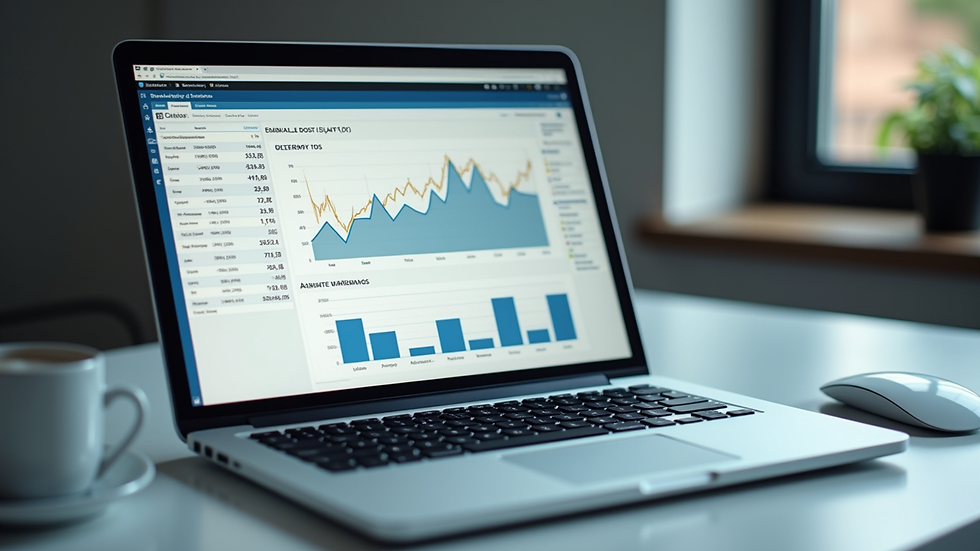
How to Get Started with VAT Planning Online
Starting with online VAT planning doesn’t require you to be a tech expert. Here’s a simple step-by-step approach to get you going:
Choose the right platform - Look for software or services tailored to small businesses and tradespeople. They should be user-friendly and compliant with HMRC requirements.
Gather your records - Collect all your sales invoices, purchase receipts, and expense documents. Digital copies work best.
Set up your VAT scheme - Decide which VAT accounting scheme suits your business. Options include standard, flat rate, or cash accounting schemes.
Input your data regularly - Keep your records updated weekly or monthly to avoid last-minute stress.
Review your VAT reports - Use the software’s reporting features to check your VAT due and reclaimable amounts.
Remember, you don’t have to do this alone. Many businesses benefit from online vat planning services that offer expert advice and support tailored to your needs.
What is the best software for VAT returns for small businesses?
Choosing the best software for VAT returns depends on your business size, complexity, and budget. Here are some key features to look for:
Ease of use: The software should have a clear interface and simple navigation.
Integration: It should connect with your bank accounts and accounting systems.
Compliance: Ensure it supports Making Tax Digital (MTD) requirements.
Automation: Features like automatic VAT calculations and reminders help reduce errors.
Support: Access to customer service or accounting advice is a bonus.
For small businesses and tradespeople, software that offers mobile apps can be a real time-saver. You can snap photos of receipts on the go and upload them instantly. This keeps your records accurate and up to date.
Some platforms also provide step-by-step guides for submitting VAT returns directly to HMRC, making the process smoother and less daunting.

Practical Tips to Maximise VAT Savings
VAT planning is not just about compliance - it’s about making your money work harder for you. Here are some practical tips to help you maximise your VAT savings:
Keep detailed records: Accurate records mean you can reclaim all the VAT you’re entitled to.
Claim VAT on business expenses: Tools, materials, and even some vehicle costs can include reclaimable VAT.
Consider your VAT scheme carefully: For example, the flat rate scheme might simplify your accounting but could cost more if your VAT on purchases is high.
Plan your purchases: Timing your purchases before the VAT quarter ends can help with cash flow.
Review your VAT status annually: Your business might benefit from deregistering or registering for VAT depending on turnover changes.
By following these tips, you can avoid overpaying VAT and improve your cash flow. It’s all about being proactive and organised.
Staying Compliant While Saving Money
One of the biggest worries with VAT is staying compliant. Mistakes can lead to fines and interest charges. Online VAT planning helps you stay on the right side of the law by:
Sending automatic reminders for VAT deadlines
Providing audit trails for all transactions
Offering real-time error checks before submission
Compliance doesn’t have to be stressful. With the right tools and a bit of planning, you can keep your VAT affairs in order and focus on growing your business.
If you’re unsure about any aspect of VAT, don’t hesitate to seek professional advice. Many accountants specialise in helping tradespeople and small businesses navigate VAT rules efficiently.
Taking Control of Your VAT with Confidence
VAT doesn’t have to be a headache. By embracing online VAT planning, you gain control over your finances and reduce the risk of costly mistakes. The key is to stay organised, use the right tools, and keep learning about your options.
Remember, the goal is to maximise your savings while staying fully compliant. Whether you handle VAT yourself or work with a trusted advisor, online VAT planning can make a real difference.
If you want to explore expert support, consider online vat planning services that understand the unique challenges faced by tradespeople and small businesses. They can help you save time, reduce stress, and keep more money in your pocket.
Start your VAT planning journey today and see how simple it can be to take control of your business finances.

Comments