Understanding the CIS Tax Refund Process and CIS Tax Refund Amount
Navigating the Construction Industry Scheme (CIS) tax refund process can feel overwhelming. But it doesn’t have to be complicated. I’m here to guide you through the essentials, step by step. Whether you’re a subcontractor or a small business owner, understanding how the CIS tax refund works can help you claim back money you’re owed and keep your finances in good shape.
Let’s break down the CIS tax refund process in clear, simple terms. I’ll explain what it is, how to check your refund amount, and what you need to do to get your money back. By the end, you’ll feel confident managing your CIS tax affairs.
What Is the CIS Tax Refund Amount and Why Does It Matter?
The CIS tax refund amount is the money you can claim back if too much tax has been deducted from your payments under the Construction Industry Scheme. When you work as a subcontractor, your contractor deducts tax before paying you. Sometimes, these deductions are higher than necessary.
Getting a refund means you receive the difference between what was deducted and what you actually owe. This can be a significant boost to your cash flow, especially if you’ve been overpaying tax throughout the year.
Why does this happen?
You might have paid too much tax because your tax code was incorrect.
You may have expenses or allowances that reduce your taxable income.
You could have had periods with no work or lower earnings.
Claiming your CIS tax refund amount ensures you’re not out of pocket. It’s your money, and you deserve to get it back.

How to Check Your CIS Tax Refund Amount
Knowing your CIS tax refund amount is the first step to claiming it. Here’s how you can check:
Gather your CIS payment and deduction statements
These are provided by your contractors and show how much you’ve been paid and how much tax was deducted.
Review your tax code and payments
Your tax code affects how much tax you pay. If it’s wrong, you might have paid too much.
Use HMRC’s online services
You can log in to your personal tax account on the HMRC website. It shows your tax records, including CIS deductions.
Calculate your total income and tax paid
Add up all your CIS payments and deductions for the tax year.
Compare with your tax liability
Your tax liability is the amount of tax you should have paid based on your income and allowances.
If your tax paid is more than your liability, the difference is your CIS tax refund amount.
If you want a quick estimate, you can find out how much is a cis tax refund by using online calculators or consulting with an accountant.
How Much CIS Do I Get Back?
This is the question I hear most often. The amount you get back depends on several factors:
Your total earnings under CIS
The more you earn, the more tax you might have paid.
Your tax code and personal allowance
Everyone has a personal allowance – the amount you can earn before paying tax. If your tax code is incorrect, you might have paid too much.
Expenses and allowable deductions
If you have business expenses, these reduce your taxable income, increasing your refund.
Previous payments on account
If you’ve made advance payments towards your tax bill, these can affect your refund.
For example, if you earned £30,000 under CIS and had £6,000 deducted in tax, but your actual tax liability was only £4,500, you could claim a refund of £1,500.
Remember, the exact amount varies for everyone. It’s worth checking your records carefully or getting professional help to ensure you claim the full refund you’re entitled to.
Step-by-Step Guide to Claiming Your CIS Tax Refund
Claiming your CIS tax refund is straightforward if you follow these steps:
1. Register for Self-Assessment
If you haven’t already, register with HMRC for self-assessment. This is how you report your income and claim refunds.
2. Keep Accurate Records
Maintain detailed records of all your CIS payments, deductions, and expenses. This will make your tax return easier to complete.
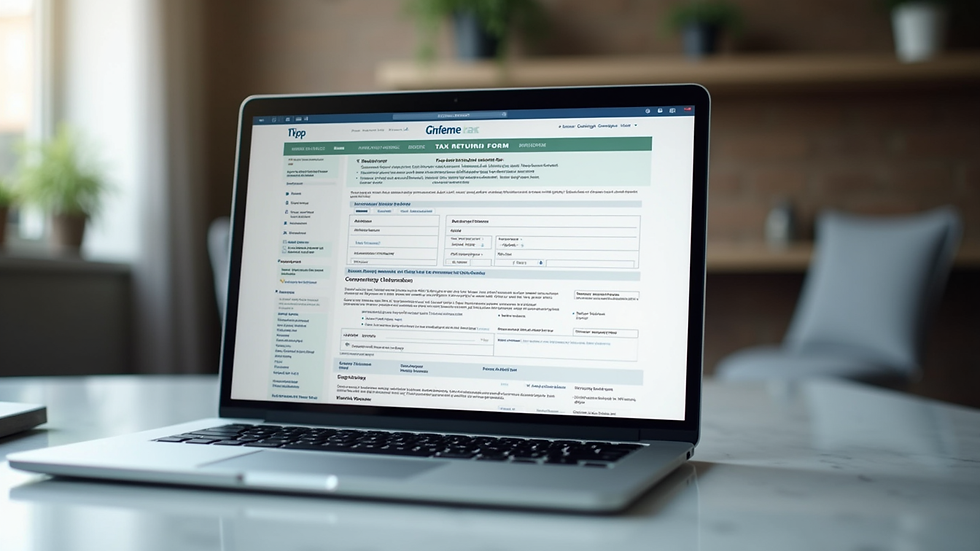
3. Complete Your Tax Return
Fill in your self-assessment tax return online or on paper. Include all your CIS income and tax deducted.
4. Submit Your Tax Return on Time
Deadlines are important. Submit your return by 31 January following the end of the tax year to avoid penalties.
5. Wait for HMRC to Process Your Refund
Once your return is processed, HMRC will calculate your refund and send it to you, usually within a few weeks.
6. Follow Up if Needed
If you don’t receive your refund or have questions, contact HMRC or your accountant for help.
Tips to Maximise Your CIS Tax Refund
Here are some practical tips to help you get the most from your CIS tax refund:
Check your tax code regularly
An incorrect tax code can cost you money. Update HMRC if your circumstances change.
Claim all allowable expenses
Keep receipts and records for tools, travel, and other business costs.
Submit your tax return early
This speeds up your refund and reduces stress.
Use professional help if needed
An accountant can spot deductions you might miss and ensure your return is accurate.
Stay organised throughout the year
Good record-keeping makes claiming refunds easier and faster.
What Happens After You Claim Your CIS Tax Refund?
Once you’ve submitted your claim, HMRC will review your tax return. If everything is in order, they will issue your refund by cheque or direct deposit. This usually takes a few weeks but can vary.
If HMRC needs more information, they may contact you. Respond promptly to avoid delays.
Keep in mind that claiming a refund does not affect your future CIS deductions. Your contractors will continue deducting tax unless your tax status changes.
Understanding the CIS tax refund process and knowing your CIS tax refund amount can make a real difference to your finances. By staying informed and organised, you can ensure you’re not paying more tax than necessary. If you ever feel unsure, don’t hesitate to seek advice. Your money matters, and getting your CIS tax refund is a smart step towards better financial health.



Comments